


_edited_.png)
Recovery Doesn’t Happen Alone: The Team That Gets You Back on Your Feet

Jan 6
2 min read

Orthopedic surgery doesn’t end in the operating room. That’s a hard truth many patients learn the uncomfortable way. Surgeons repair. Recovery is built at home, and it takes a coordinated team to get it right.
In New York, world-class orthopedic surgeons operate every day at places like Hospital for Special Surgery and NYU Langone Orthopedic Center. But once a patient is discharged, the question becomes simple: Who is making sure the plan actually works?
That’s where the recovery team matters.
The Surgeon: Precision and the Plan

Orthopedic surgeons are experts in diagnosis, technique, and surgical correction. They will:
Perform the procedure
Set weight-bearing restrictions
Prescribe medications and rehab protocols
Define the clinical roadmap
But surgeons don’t live in the home. They rely on accurate feedback from the field to know whether recovery is progressing, or quietly derailing.
The Nurse: The Clinical Anchor

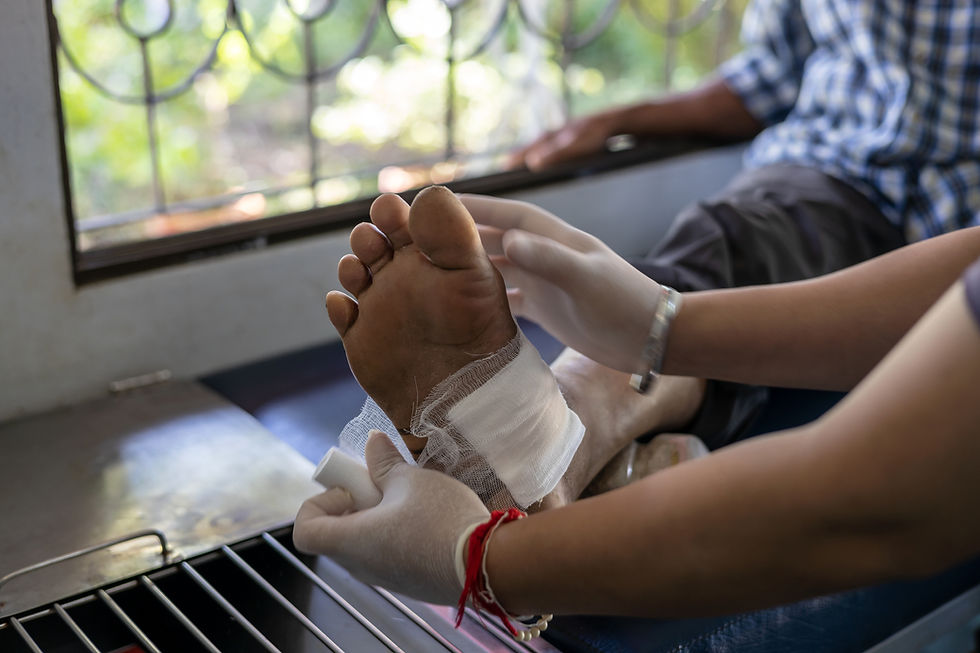
Nurses are the connective tissue of recovery. We see what no one else does.
In the home, nurses:
Monitor pain, swelling, wounds, vitals, and medication adherence
Identify early red flags before they become complications
Reinforce discharge instructions patients often forget
Communicate real-time clinical updates back to surgeons and care teams
Here’s the reality: most post-op setbacks aren’t dramatic. They’re subtle. A nurse catches them early, or the patient ends up back in the hospital.
This is where outcomes are protected.
Physical Therapy: Restoring Function

PTs take the surgical repair and turn it into movement.
They focus on:
Strength, mobility, and gait retraining
Preventing stiffness, falls, and compensatory injuries
Teaching safe mechanics during daily activities
But PT only works when the body is supported. Pain control, swelling management, and proper recovery pacing, often guided by nursing, make the difference between progress and regression.
Nutrition: The Silent Accelerator

Healing is biological. You can’t out-rehab poor nutrition.
A holistic nutritionist supports:
Protein intake for tissue repair
Anti-inflammatory strategies
Hydration and micronutrient balance
Energy levels during rehab
Patients with poor nutrition heal slower. Period. This is especially true in orthopedic recovery where bone, muscle, and connective tissue are involved.
When the Team Communicates, Patients Win
The strongest recoveries happen when:
Surgeons receive meaningful post-discharge updates
Nurses coordinate care and escalate concerns early
PTs adjust rehab based on real-world function
Nutrition supports healing behind the scenes


Comments